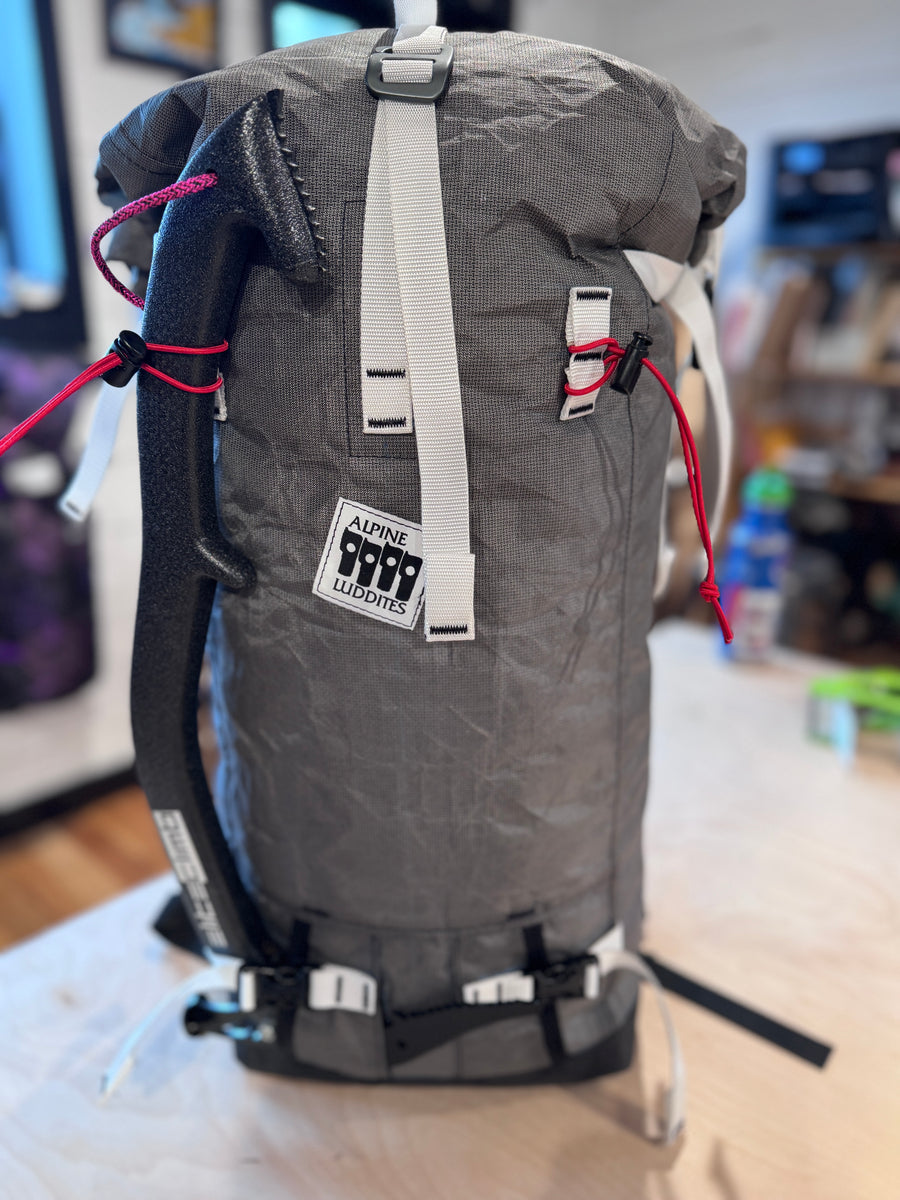
alpine climbing laptop backpack Backpacks Color:SILVER RED DOTS Daiwa Fishing Rods | mid arbor fly reel Comes with an integrated
Daiwa Fishing Rods | Price Match Guaranteed
Fiberglass Rods Fiberglass rods dominated from the 1950s through the 1970s: Appearance : Smooth, often with a spiral pattern visible under bright light Colors : Often vibrant colors including yellows, greens, whites, and reds Weight : Lighter than bamboo but heavier than graphite Action : Generally slower and more parabolic than modern rods Steel Rods Steel rods were common from the 1940s through the 1960s: Appearance : Typically tubular and telescoping Weight : Notably heavier than other materials Durability : Often survived well, but prone to corrosion Construction : Many featured telescoping designs for portability Finding and Interpreting Makers’ Marks Locating Brand Identifiers Where to Look for Markings Rod Blanks : Examine the shaft for stamped or painted model names and numbers Reel Seats : Often engraved with maker’s name or logo Butt Cap : May contain stamped information Ferrules : Sometimes stamped with maker’s mark Decals : Many rods featured paper decals that may still be intact As noted by users on Reddit’s r/flyfishing community, proper identification requires multiple photos, including: Full length photos of all sections laid out Close-ups of grip and reel seat Any visible markings or decals Detail shots of ferrules and wrappings Major Vintage Rod Manufacturers Knowing key manufacturers can help you narrow down identification: American Makers Orvis (1856-present): One of the oldest and most respected rod makers Leonard (1876-1984): Premium bamboo fly rods, highly collectible Heddon (early 1900s-1950s): Known for “Heddon Pal” fiberglass rods South Bend (1900s-1970s): Popular mid-range bamboo and fiberglass rods Montague (1880s-1960s): Mass producer of affordable bamboo rods Payne (1930s-1968): Highly sought-after premium bamboo fly rods Granger (1930s-1960s): Quality bamboo fly rods, especially the “Favorite” model British Makers Hardy (1873-present): Premier British manufacturer, highly collectible Allcock (1800s-1960s): Produced a wide range of fishing tackle B
mid arbor fly reel
Color:SILVER RED DOTS
As a general rule, the fish will usually move to shallower areas such as flats or shorelines on an incoming tide, and as the tide goes out the fish will generally travel to deeper areas
Comes with an integrated molded back panel that offers excellent support for heavy loads